Gutter Repair: Knowing When to Fix, Replace, or Upgrade
Your home's gutter system works quietly until something goes wrong. A clogged downspout, a sagging gutter channel, or water staining on the fascia board can all signal trouble. When you notice a problem, you face a choice: repair what is there, replace it with a similar system, or upgrade to something more durable. Each option has its place, and the right decision depends on the age of the system, the extent of the damage, and your long-term plans for the property.
Understanding the differences between these approaches helps you avoid unnecessary expense on one side or repeated fixes on the other. This article walks through the signs that point toward each path so you can make a confident choice for your home.
When Repair Makes Sense
Minor issues often respond well to a targeted repair. If you notice a small leak at a joint, a section of gutter that has pulled away from the fascia board, or a downspout that has come loose, these are usually straightforward fixes. Repairing a single section is faster and less disruptive than replacing the whole run, and it keeps the existing system in service without the waste of discarding material that still has years of life left.
Consider repair when the damage is isolated and the rest of the system is in good shape. For example, a gutter channel that has developed a small hole from debris impact or a seal that has failed at a corner can be patched or resealed. Similarly, a downspout that has become blocked can often be cleared without touching the rest of the system. Repair also works well if the gutters are relatively new, say, less than ten years old, and have been maintained properly. In those cases, a simple fix restores function and buys several more years of reliable service.
READY ROOFING, LLC is also on Instagram.
That said, repair has limits. If you find cracks spreading along a long section of gutter, or if the same spot has been patched more than once, the material may be fatigued. Repeated repairs can become a cycle that costs more over time than a thoughtful replacement. Pay attention to how often you are making fixes. If the list keeps growing, it might be time to think bigger.

When Replacement Is the Right Call
Replacement means taking out the old gutters and putting in a new system of similar type and material. This is a good choice when the existing system has widespread issues that repair cannot solve economically. Signs that point toward replacement include rust or corrosion across multiple sections, gutters that are pulling away from the roof edge in several places, or a system that is simply at the end of its service life.
Older metal gutters, for instance, may develop pinholes and rust along their entire length. Sealing each hole individually is tedious and rarely reliable. A full replacement gives you a clean start with consistent materials and fresh seals at every joint. Replacement also makes sense if the existing gutters were improperly installed. Gutters that slope the wrong way, have too few hangers, or lack proper expansion joints will never perform well no matter how many repairs you make. In that case, starting over with correct installation solves the root problem.
Another scenario is when you are already doing other work on the roof. If the roof is being replaced or the fascia board is being repaired, it is often practical to replace the gutters at the same time. The old gutters have to come off anyway for the roofing work, so putting up new ones avoids paying for removal later. It also ensures that the gutter system matches the new roof in both style and expected lifespan.
When Upgrading Pays Off
Upgrading goes beyond simple replacement. It means choosing a different material, a larger gutter channel, or added features that improve performance. Upgrading is worth considering if your current system has never handled heavy rain well, if you are tired of cleaning leaves and debris out of the gutters constantly, or if you want a look that better suits your home.
One common upgrade is switching from a smaller gutter size to a larger one. Homes with steep roofs or those in areas with intense storms sometimes need a 6-inch gutter channel instead of the standard 5-inch to handle the volume of rainwater flow. Another upgrade is adding gutter guards or screens that keep debris out while letting water through. These can reduce the frequency of cleaning and help prevent clogs in the downspout and underground drains.
Material choice is another upgrade path. If your current gutters are standard aluminum or vinyl, you might choose seamless aluminum, steel, or copper for greater longevity and a distinctive appearance. Each material has different maintenance needs and a different look, so the choice depends on what matters more to you: durability, appearance, or budget. Upgrading also includes improving the hanger system or adding hidden hangers for a cleaner look from the ground.
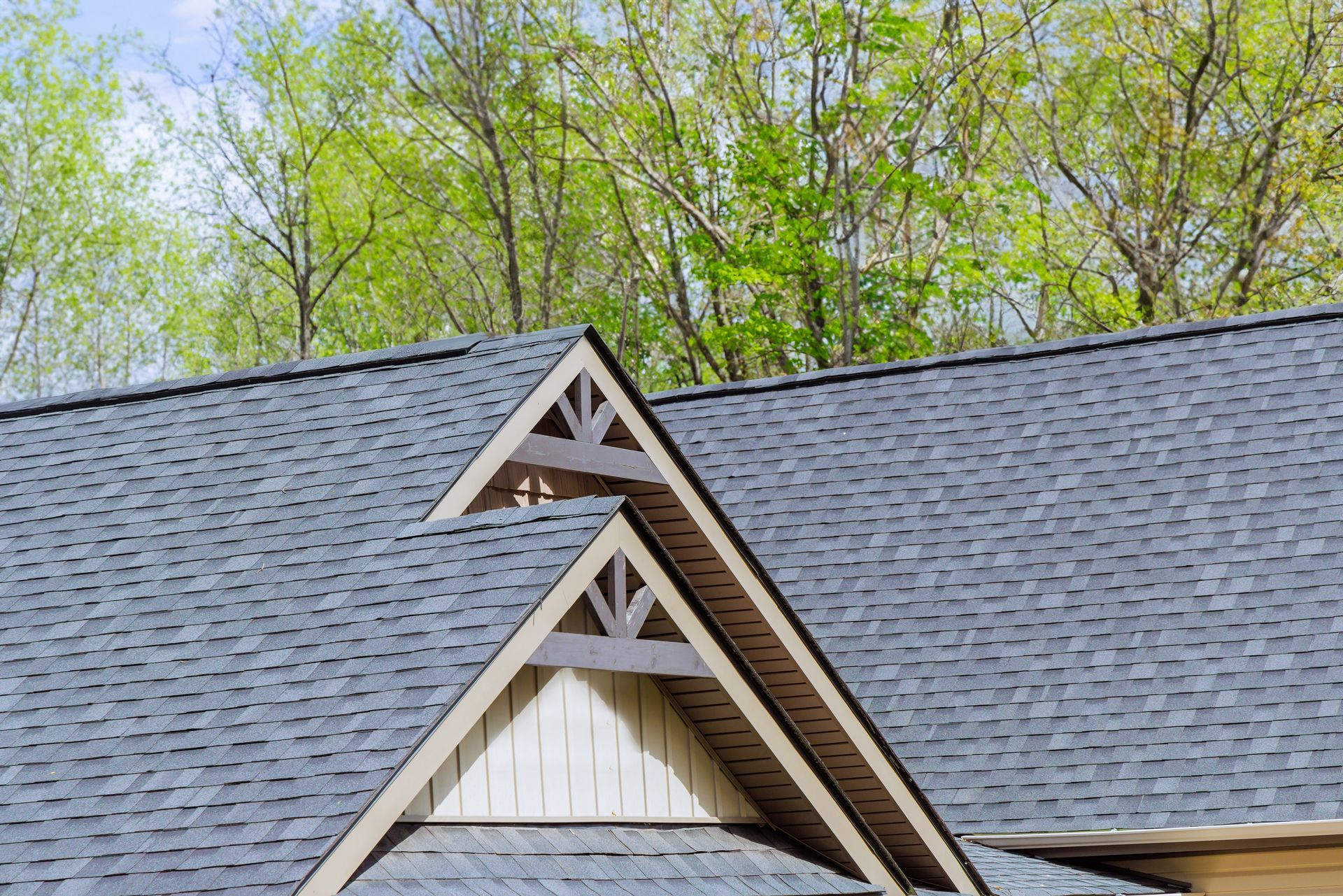
Think about upgrade when the current system is functional but frustrating. If you are constantly cleaning out debris, dealing with overflow in heavy rain, or wishing the gutters matched the style of your home better, an upgrade can turn a source of annoyance into something that works quietly for years.
Factors That Influence Your Decision
A few practical considerations can help you decide which path fits your situation. First, consider the age of the system. Gutters generally last 15 to 30 years depending on material and climate. If yours are near the end of that range, replacement or upgrade is likely more economical than repair. Second, look at the condition of the fascia board and soffit. If those are rotting or damaged, simply replacing the gutters without fixing the underlying wood will lead to the same problems again.
Third, think about accessibility. Gutters that are hard to reach may justify a more durable solution that needs less frequent maintenance. Fourth, consider your own tolerance for ongoing work. Some homeowners prefer to handle minor repairs themselves and keep the system going. Others would rather invest once in a higher-quality system that needs less attention. Neither approach is wrong, but being honest about your preferences helps you choose.
Finally, keep in mind that a well-functioning gutter system protects more than just the roof. It directs rainwater away from the foundation, prevents water from seeping into the basement or crawl space, and protects landscaping from erosion. Ignoring gutter problems can lead to foundation damage, mold growth, and costly interior repairs. So the decision you make is not just about the gutters themselves, it is about protecting the whole home.
Common Mistakes to Avoid
One mistake is assuming that a single leak always means the whole system needs replacement. As discussed, many leaks are easy to fix if they are isolated. Another is ignoring minor issues until they become major. A small sag in a gutter channel can trap water and lead to rust or rot that spreads. Catching problems early gives you more options.
Another common error is choosing the cheapest material without considering the climate. In areas with heavy sun, some plastics become brittle over time. In areas with frequent freezing and thawing, metal gutters need proper allowance for expansion. Matching the material to the local weather is part of a smart decision. Finally, do not overlook the downspout and underground drainage. Gutters that work perfectly are useless if the water has nowhere to go once it leaves the downspout. Make sure the whole system is considered together.
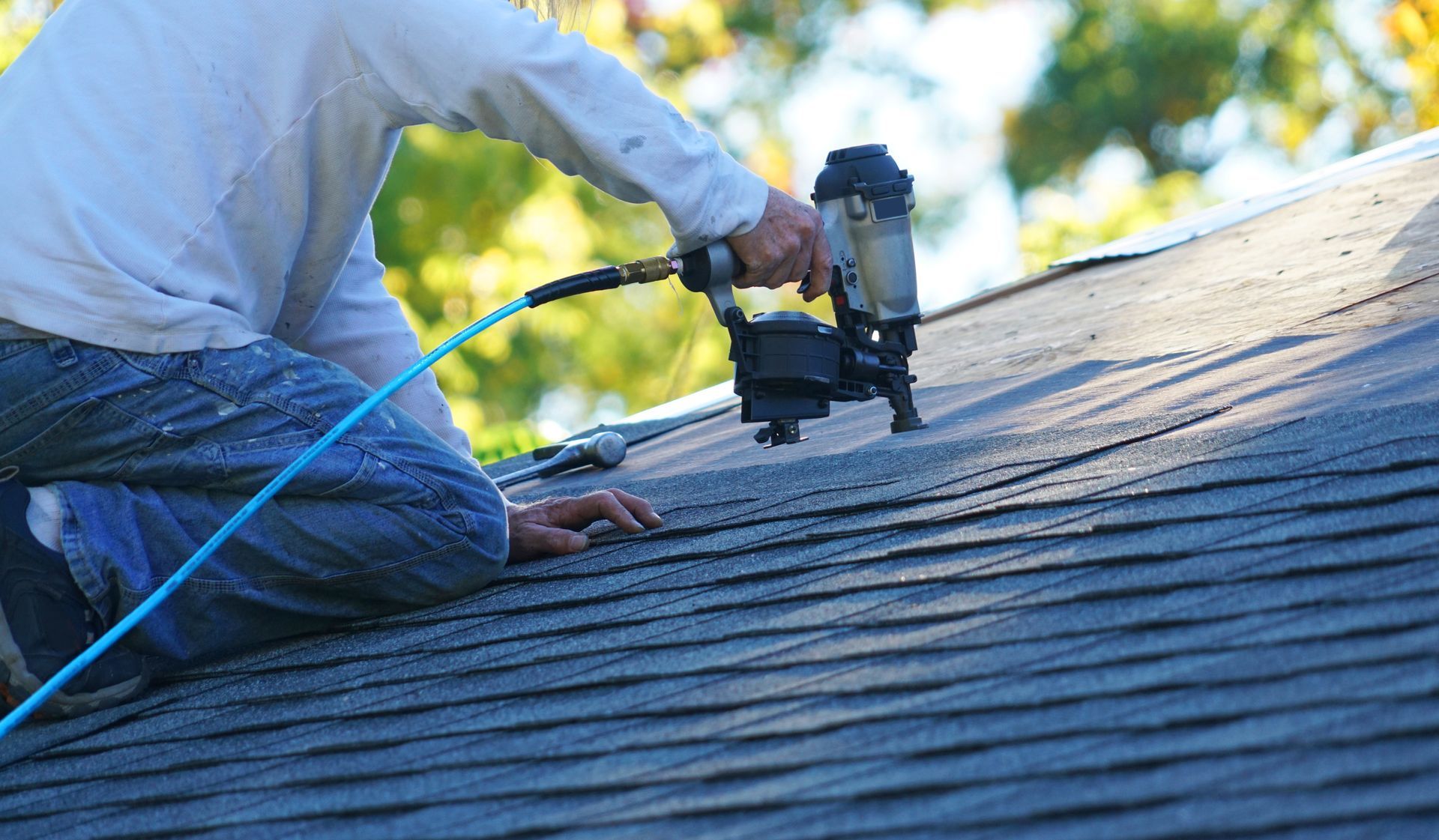
For homeowners in Northern Florida, the combination of heavy rain, humidity, and occasional storms puts extra demands on any gutter system. READY ROOFING, LLC has experience helping property owners in this region choose the right approach for their homes. Whether you need a simple repair, a full replacement, or an upgrade to better handle the weather, understanding your options is the first step. The key is to assess the condition honestly and act before minor problems turn into expensive repairs.
READY ROOFING, LLC, located at 5105 Philips Hwy Ste 205, Jacksonville, FL 32207, USA, can be reached at +1 904-404-9849 for residential and commercial roof repairs, replacements, inspections, and storm damage restoration across Northern Florida.